Gao Q, Hong J, Xiao X, Cao H, Yuan R, Liu Z et al (2020) T cell epitope of arginine kinase with CpG co-encapsulated nanoparticles attenuates a shrimp allergen-induced Th2-bias food allergy

Lifestyle interventions remain the foundation of weight management: Dietary modification : A balanced, reduced-calorie diet rich in fruits, vegetables, whole grains, and lean proteins, potentially with support from a registered dietitian Physical activity : Following the UK Chief Medical Officers' guidelines of at least 150 minutes of moderate-intensity activity weekly, adapted to individual capabilities and any limitations from fibroid symptoms [15] Behavioural strategies : Including self-monitoring, goal-setting, and addressing emotional eating patterns, often facilitated through structured programmes or psychological support Alternative pharmacological options approved for weight management in the UK include: Orlistat : A lipase inhibitor that reduces fat absorption, available both on prescription and over-the-counter at lower doses, though gastrointestinal side effects can be troublesome Naltrexone/bupropion (Mysimba) : A combination therapy that affects appetite control centres in the brain, though it should be used with caution in certain conditions including hypertension Semaglutide (Wegovy) : A once-weekly GLP-1 receptor agonist with similar mechanism to Saxenda
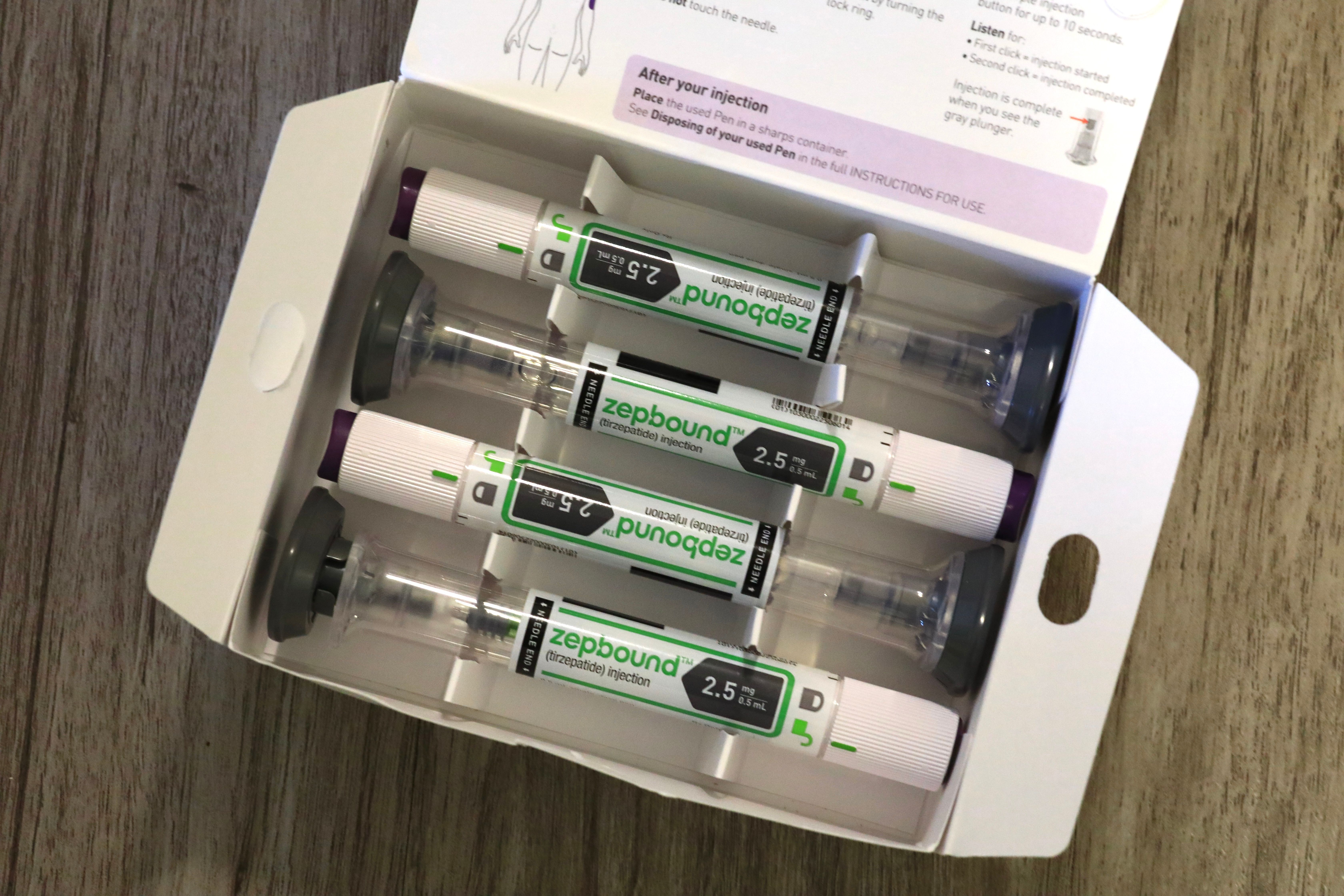
It is a solid fit for patients comparing multiple GLP-1 formats, since TrimRx offers both oral and injectable versions of each medication
Phase 3 data shows 28.7% average weight loss compared to approximately 15% for semaglutide and 20-21% for tirzepatide
doi: 10.1038/s41467-022-33323-8 104 JakimiukAJWeitsmanSRNavabAMagoffinDA